Enter Orbit
Independent Cosmos Hub • Est. 2019 • descducguepargo.space

DEEP SPACE
CULTURE LIVES HERE

DescDuc GuePargo Space is a research shelter, observatory and art station. We translate astrophysics into human stories — expeditions, space architecture, zero-g art, night-sky preservation and interstellar philosophy.

142+Night expeditions
38TBSky data archived
12kStargazers joined
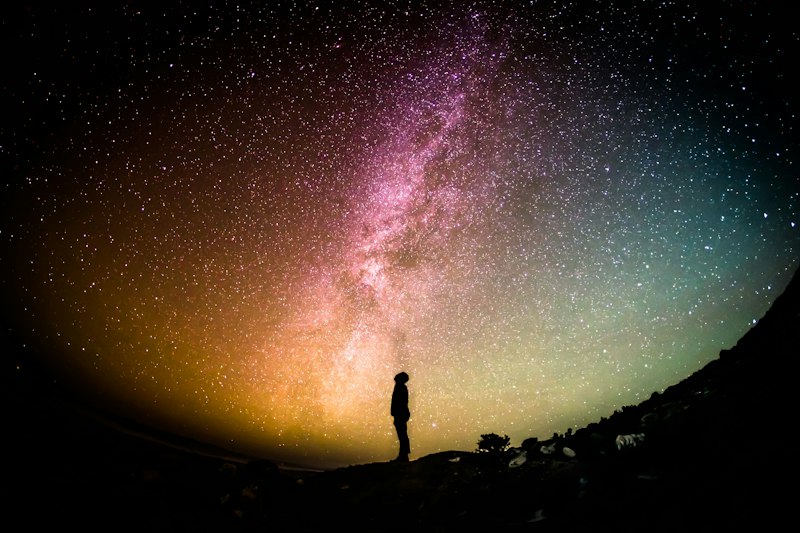
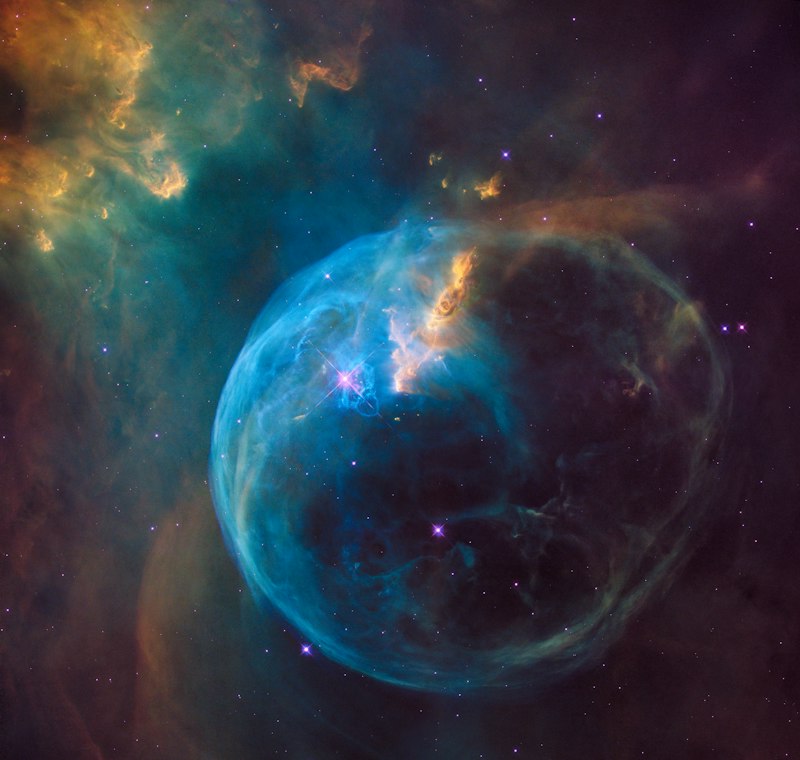
Deep space nebula over observatory
✦ LIVE: Perseus arm tracking
RA 03h 47m • DEC +56°
◍ Bortle 1 site • Atacama + Sahara stations
✦ Stargazing expeditions◍ Space architecture✦ Astrophotography lab◍ Zero-g art residency✦ Dark-sky preservation◍ Interstellar philosophy✦ Stargazing expeditions◍ Space architecture✦ Astrophotography lab◍ Zero-g art residency
01 — About the station

We are a shelter for cosmic curiosity

Not an agency, not a museum. GuePargo is a living observatory where scientists, designers and poets share telescopes and notebooks.

Manifesto — desc • duc • guepargo

DESC — to discover. DUC — to lead. GUEPARGO — to wander far beyond the map.

Founded in a desert hangar with one 12-inch Dobsonian and a projector, our hub now runs three dark-sky stations, a space-habitat prototyping lab and an open archive of 38 terabytes of sky. We host night schools, build inflatable lunar habitats, compose music from pulsar data and fight light pollution street by street.

3Dark-sky stations
27Resident researchers
96Art + science works
0Light pollution tolerance
Our missionsJoin expedition

2019 — First light in the dunes

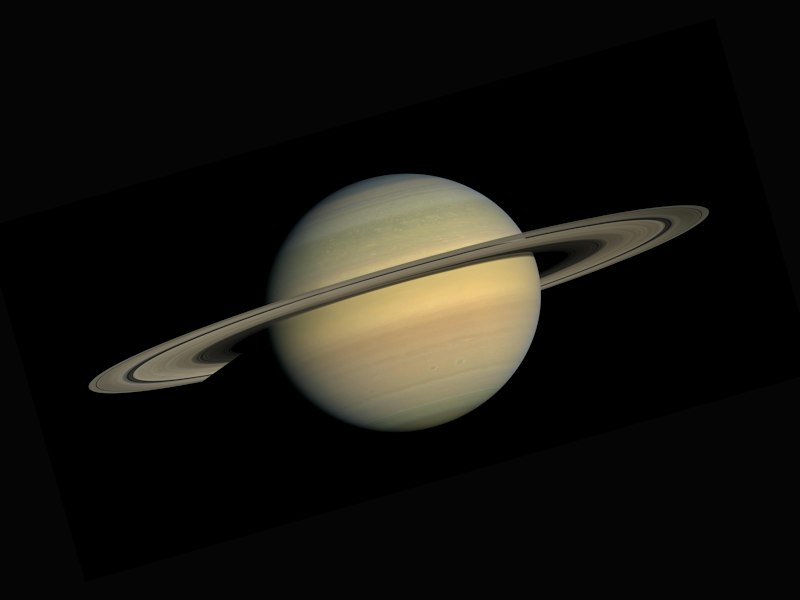
12 friends, one telescope, 400 visitors on opening night. The desert showed us Saturn's rings and we never left.

2022 — Pargo Habitat Lab opens

We start testing inflatable moon shelters, regolith 3D-printing and closed-loop greenhouses for extreme climates.

2025 — Open Sky Archive goes live

All spectra, timelapses and field notes become free. 12,000 students use our data in classrooms.

Earth from space at night
◍
Night School every new moon
Telescope training • myth + physics • free for under-18
02 — What we do

Missions & laboratories

Six permanent programs. Pick your orbit — observer, builder, storyteller or guardian of darkness.
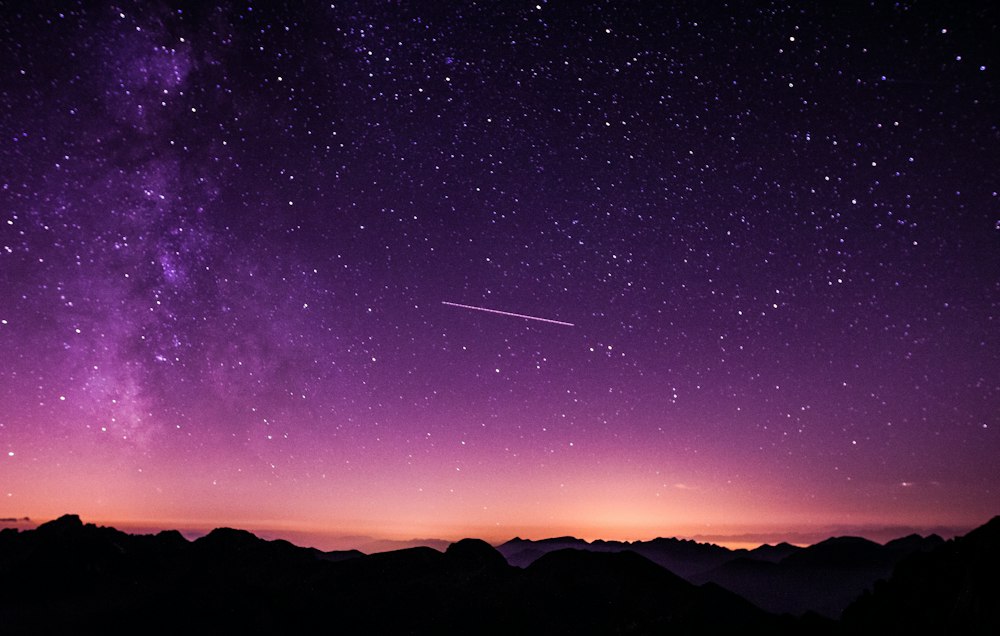
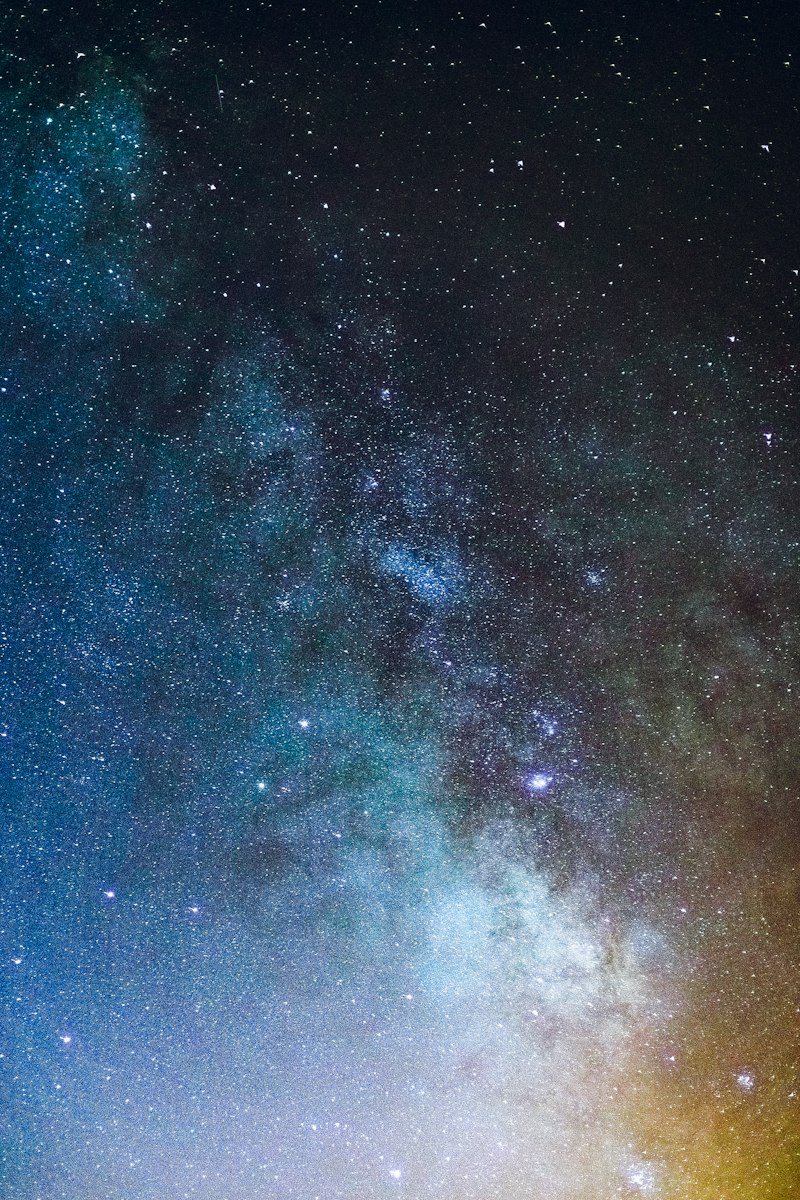
Milky Way over desert
Expeditions

Dark-sky caravans & stargazing schools

7-day routes in Bortle 1 zones with astrophysicists. No experience needed — we teach star-hopping, binocular astronomy and night photography from zero.
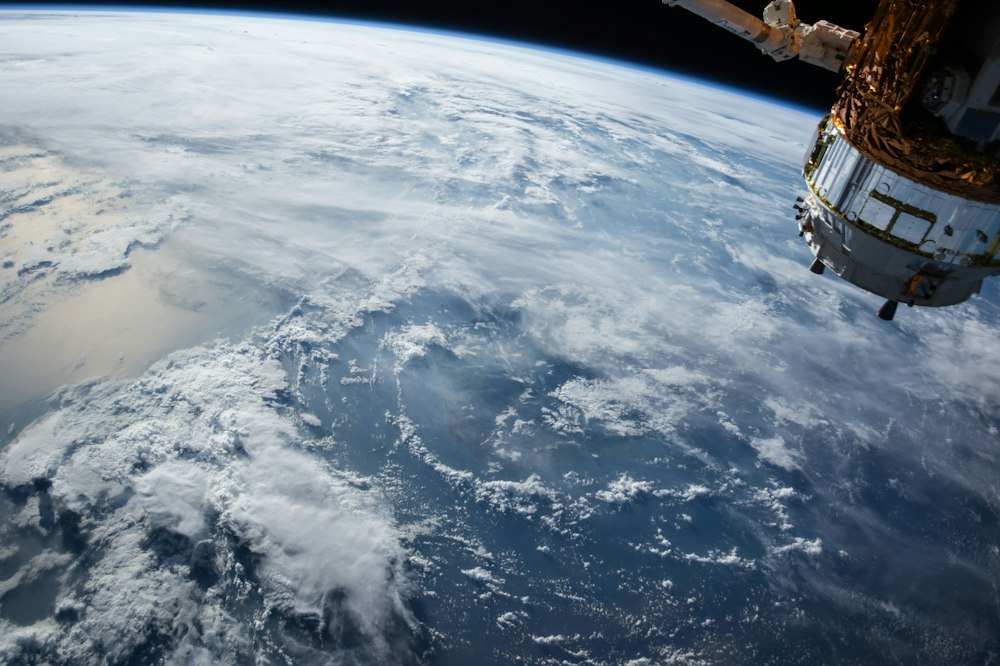
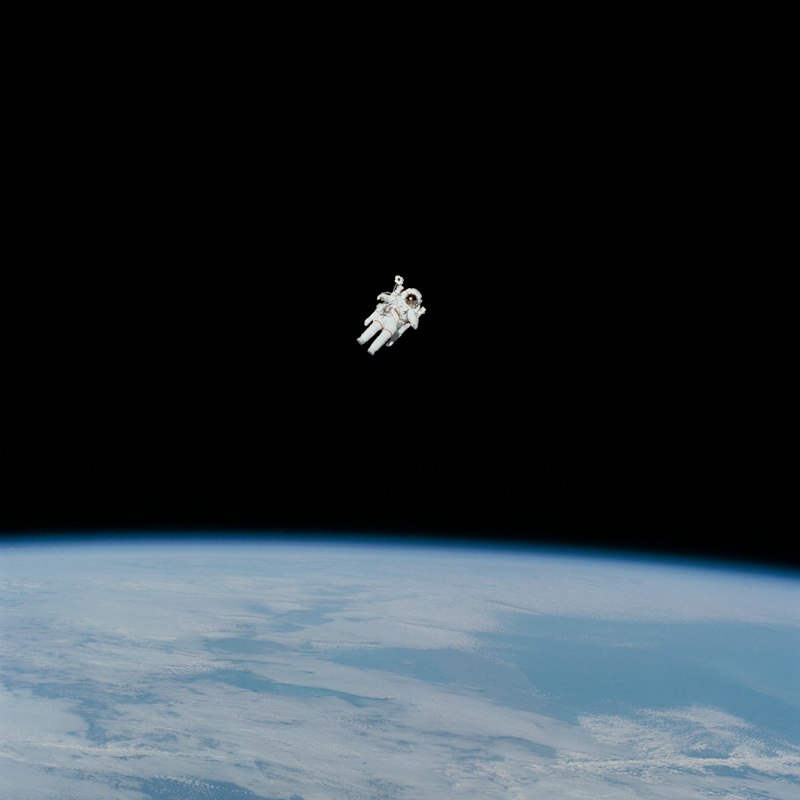
Space station above Earth
Habitat Lab

Space architecture for Earth extremes

Inflatable lunar modules, water-from-air walls, solar kilns. Prototypes tested at -20°C to +48°C, then open-sourced for desert villages.
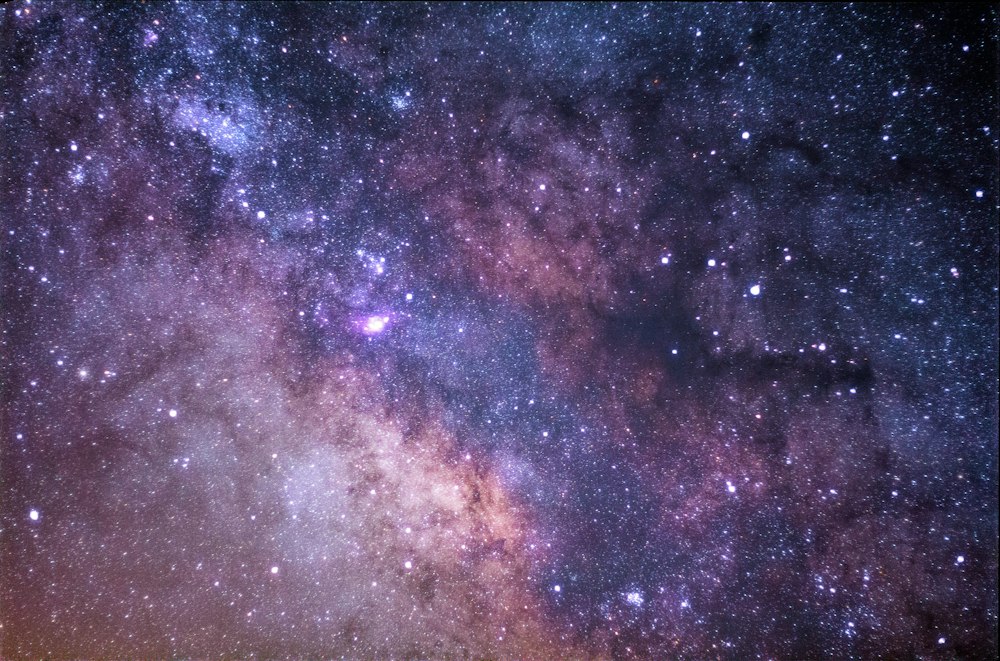
Starry night sky
Sky Archive

38 TB of open cosmos data

Timelapses, spectra, meteor counts, satellite passages. Free API for schools, artists and citizen scientists. New batch every full moon.
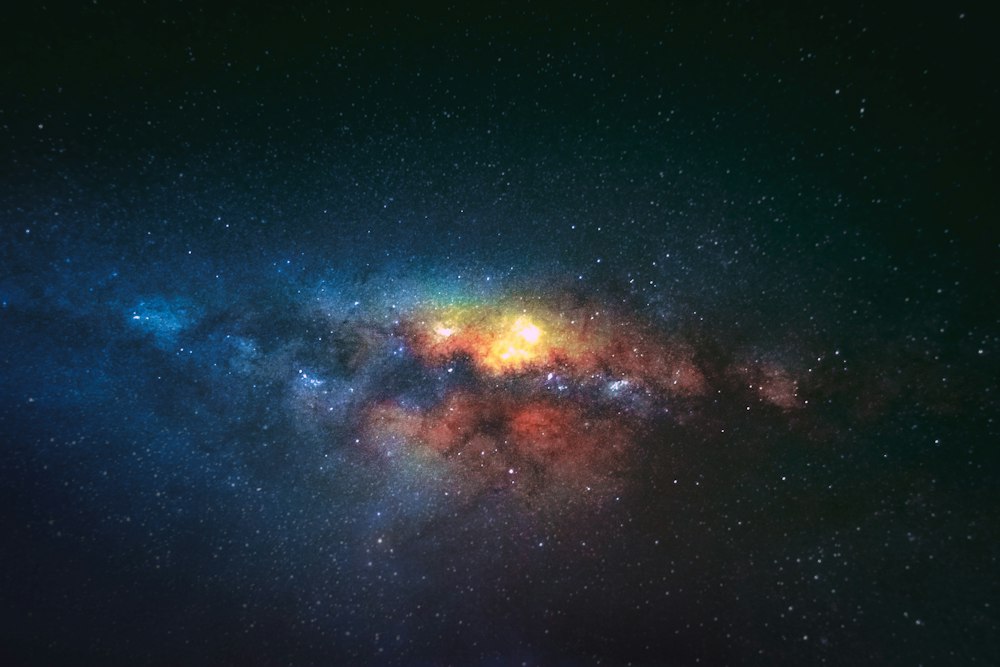
Nebula colors
Zero-G Art

Residency where pulsars become music

Sound artists sonify magnetars, dancers rehearse in parabolic flights, painters work with meteor dust pigments. Exhibition each solstice.

04 — Transmissions

Latest news from orbit

Field reports, research notes and sky events. Click any card to open full story — each has its own permanent address.

Iptv Portugus
Oct 27, 2026✦ Report

Iptv Portugus

IPTV para amantes do mar e da pesca: desporto e entretenimento em Portugal Quem vive o mar, a pesca e a vida ao ar ...

Open full story →

How to cite our news?

Every story lives at descducguepargo.space/your-slug/ — permanent, shareable, indexable. Use it in classrooms and star parties.

descducguepargo.space/slug/Propose story
05 — Questions

Before you launch

Do I need experience to join? +
No. 70% of our caravan members never touched a telescope. We start with naked-eye constellations, then binoculars, then our 16-inch reflectors. Kids from 8 years old welcome with parents.
Where are the stations? +
Station Alpha — desert plateau (Bortle 1), Station Beta — high Andes, Station Gamma — mobile dome that tours schools. Exact coordinates are shared after booking to protect darkness.
Is the archive really free? +
Yes. All timelapses older than 30 days, spectra and teaching kits are CC-BY. We only ask to credit “DescDuc GuePargo Space Archive” and send us what you create.
What should I bring at night? +
Warm layers even in summer, red flashlight (we lend), closed shoes, curiosity. We provide telescopes, hot tea, star charts and sleeping mats for zenith watching.
Do you fight light pollution? +
Actively. We audit villages, replace 4000K LEDs with shielded 2200K, teach mayors and hand out free caps. 14 communities already regained the Milky Way.
Can artists apply for residency? +
Twice a year. Send 3 works + one paragraph on “what would you ask a pulsar?”. Winners get 3 weeks, a cabin, telescope time and meteor-dust pigments.
New moon caravan — 6 seats left

Pack warm. Leave glowing. Come see the real sky.

Next departures: Nov 18 • Dec 20 • Jan 19. 7 days, all gear included, money-back if clouds cover more than 2 nights.

Reserve seatRead manifesto

Request invite

Leave your call-sign. We reply within 48h — by human, not bot.

No spam. Only new moons and meteor showers.